

“Vassi in Sanleo e discendesi in Noli, montasi su in Bismantova e ‘n Cacume con esso i piè; ma qui convien ch’om voli”, Divina Commedia”, Pg IV,24-26.
To the journalist colleagues who asked Umberto Eco, the author of the successful novel “The Name of the Rose,” translated into forty languages (with more than fifty million copies sold), which city he found most congenial, he replied: “San Leo, a Rock with two Churches!” Undoubtedly a magical place that evokes emotions. But already the Romagnolo village, which has earned two important titles, “The Most Beautiful Villages of Italy” and the “Orange Flag” from the Italian Touring Club, had, in centuries past, among its sponsors, a special character like Dante Alighieri who, in the early 1300s, visited this land and mentioned San Leo in the fourth canto of the Purgatorio of the Divine Comedy.
A very special bond, instead, between San Francesco d’Assisi and the small center of the Apennines, unique in Italy for featuring his figure in the civic coat of arms of the Municipality. A historic and overwhelming sermon by the saint, on May 8, 1213, under an elm tree, led Count Orlando de Cattani, lord of Rocca di Chiusi in Casentino, a guest of the Montefeltro family, so impressed by his words to donate to him Monte della Verna where Francis, according to tradition, received the Sacred Stigmata. San Leo is a central stop on the Cammino di San Francesco, from Rimini to La Verna, and is recognized by the Emilia Romagna Region which has included it in the Regional Project “Cammini e Vie di Pellegrinaggio,” listed in the Atlas of Paths by MIBAC.
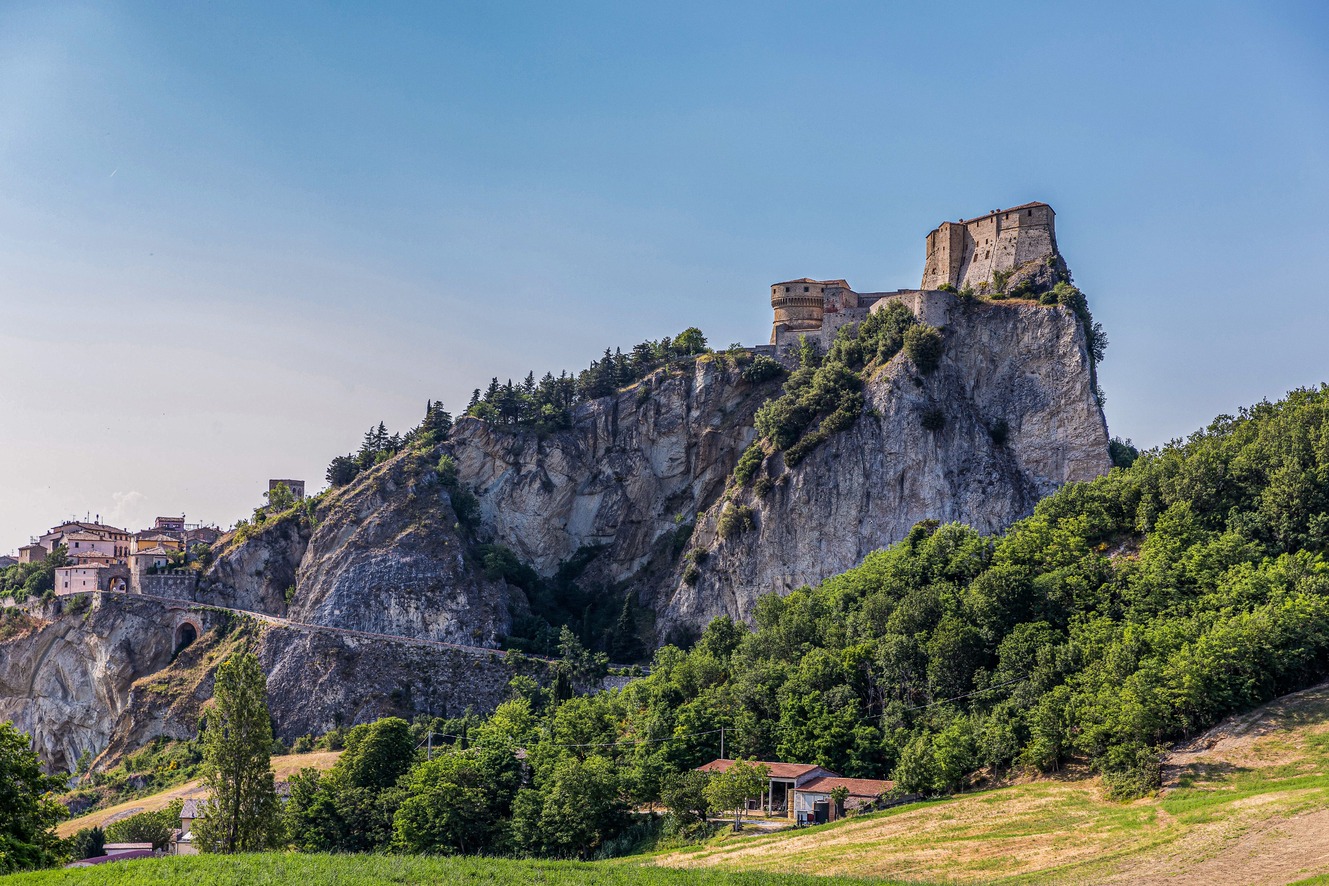
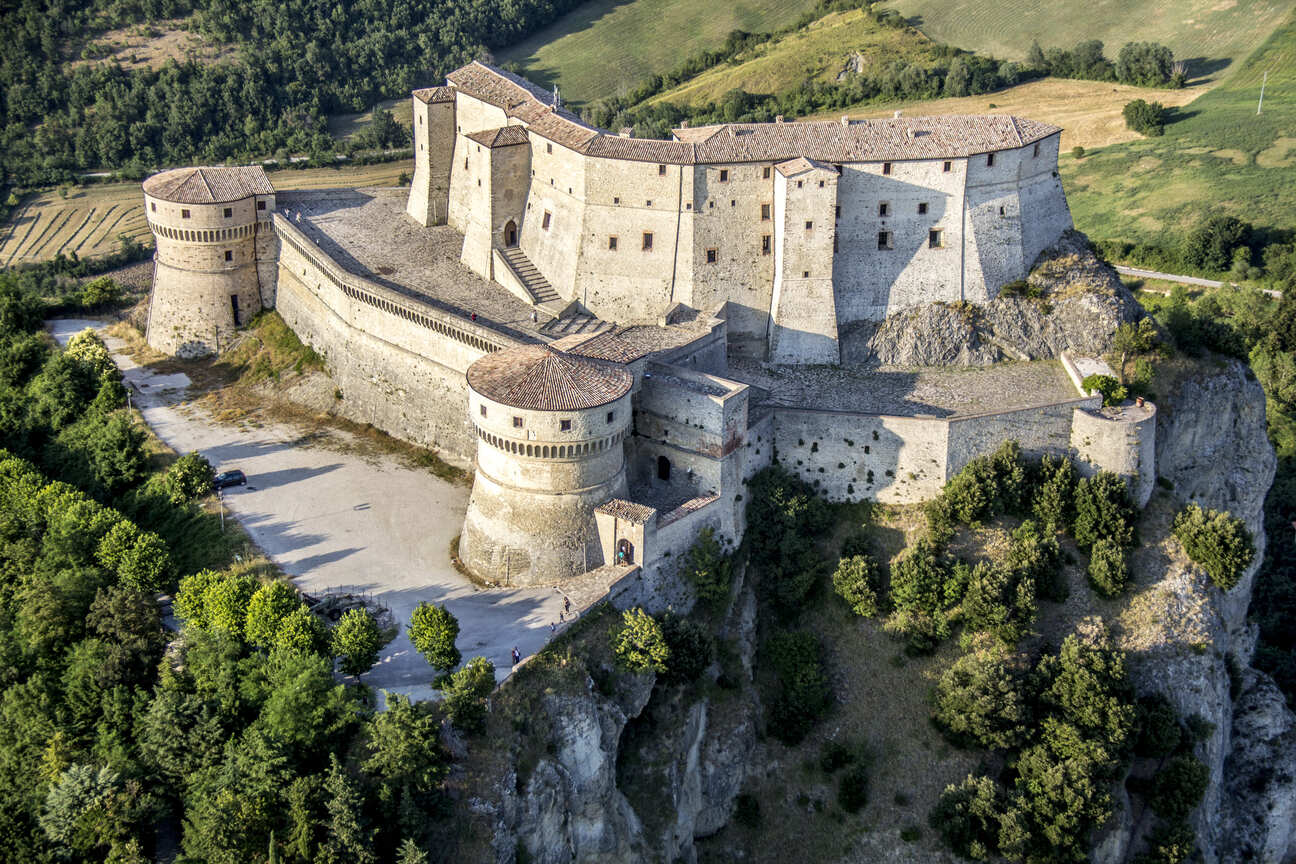
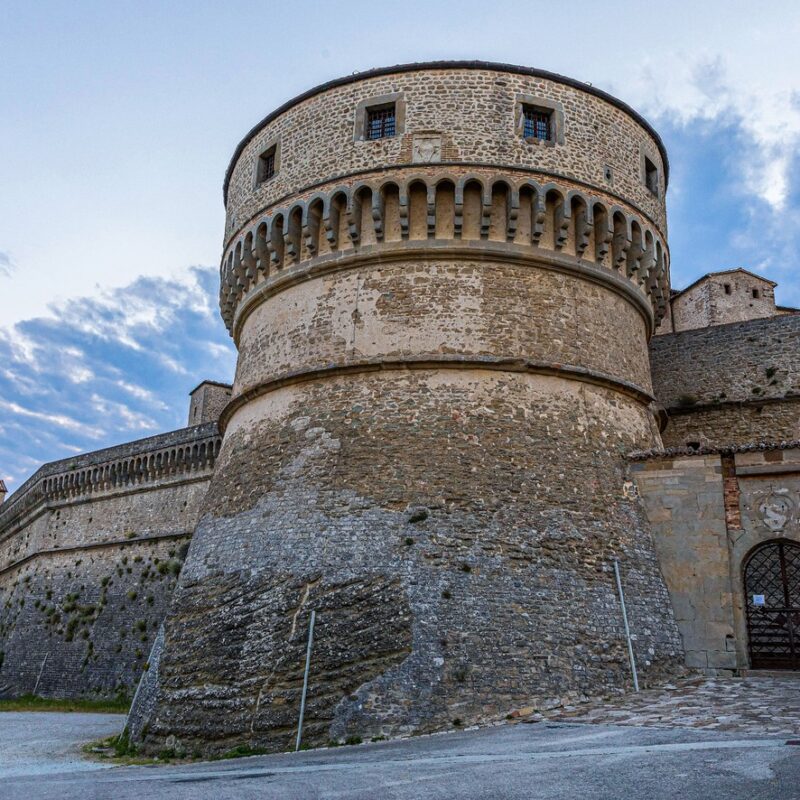
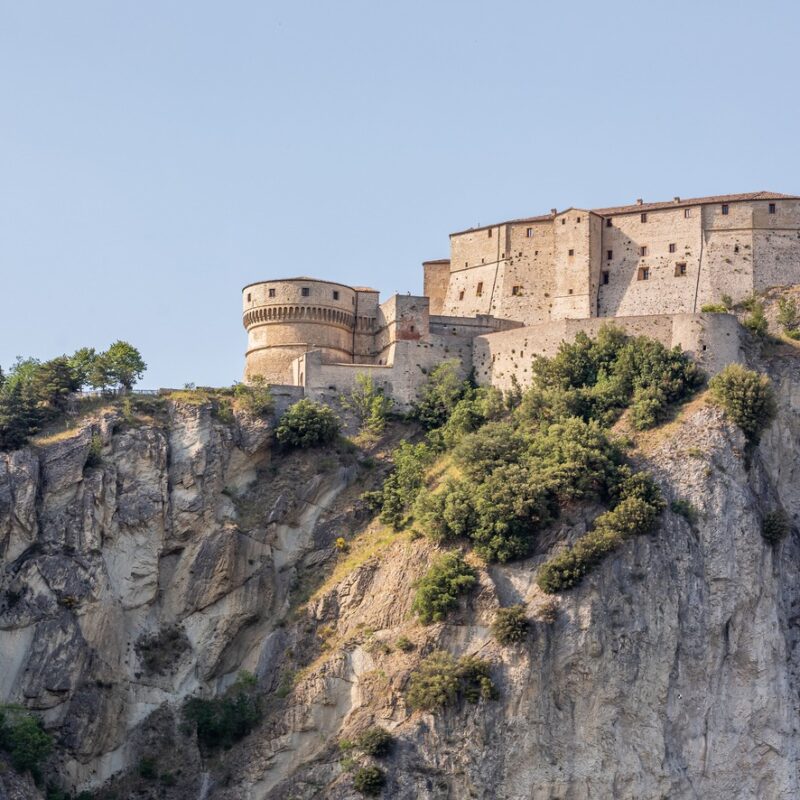
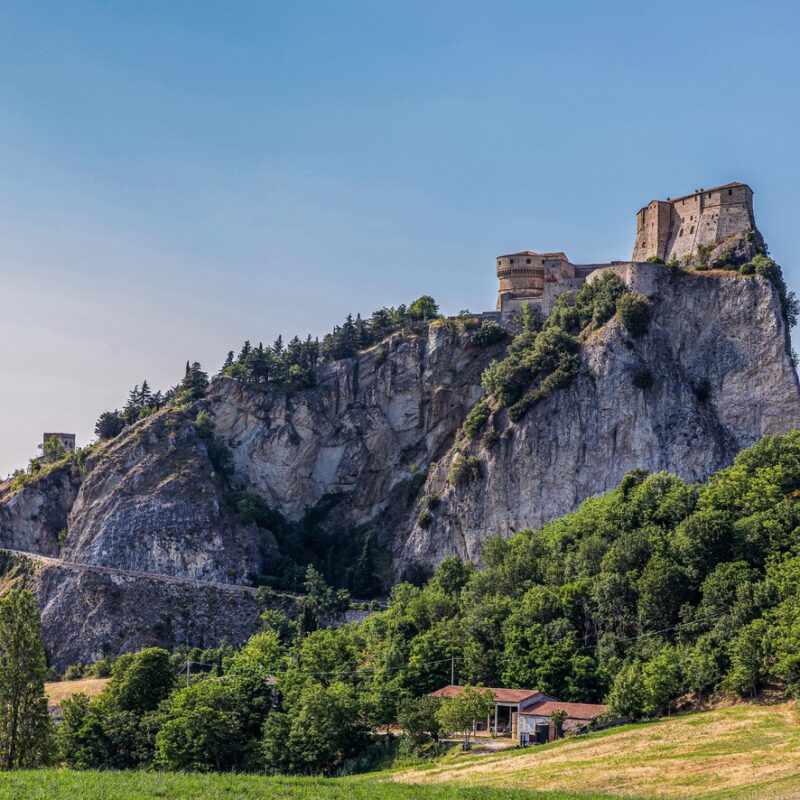
Absolute protagonist of the extraordinary scenario dominating the Valmarecchia, the magnificent, legendary Fortress, severe yet inviting, bearing the prestigious signature of one of the most influential military architects of the Renaissance, Francesco di Giorgio Martini. The Fortress tells the story that has passed through it and inhabited it, such as that of Felice Orsini, a carbonaro, who attempted the life of Emperor Napoleon III on January 14, 1858. Following the failure of the action, he was sentenced to death and, two months later, guillotined in France.
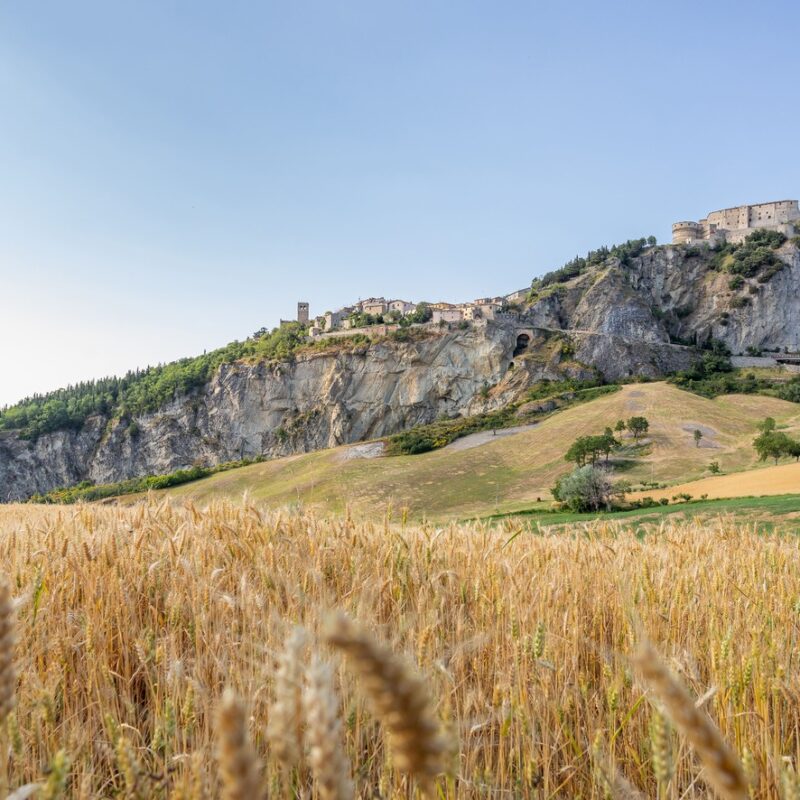
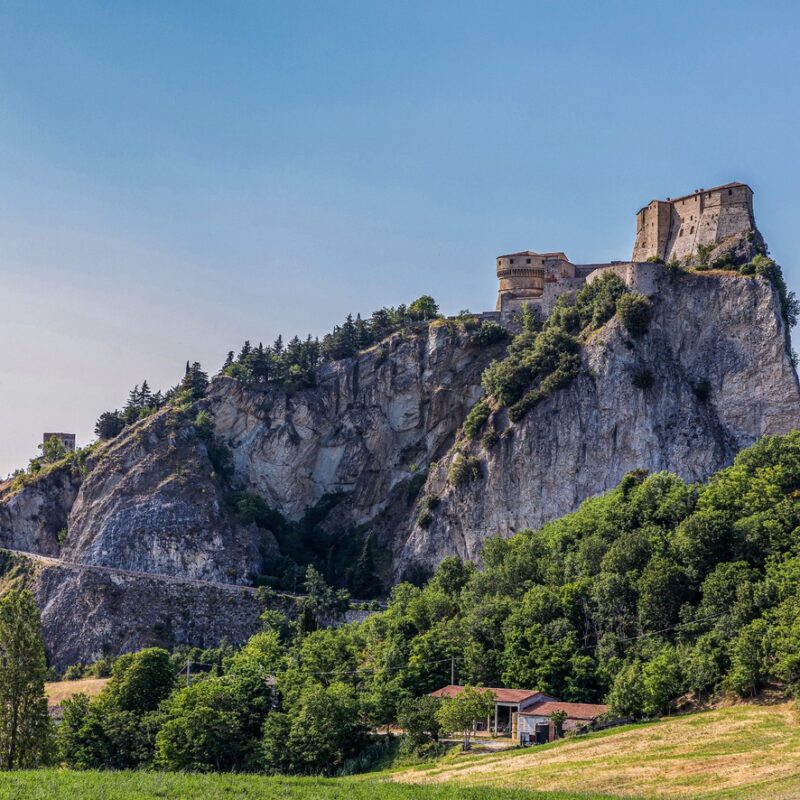
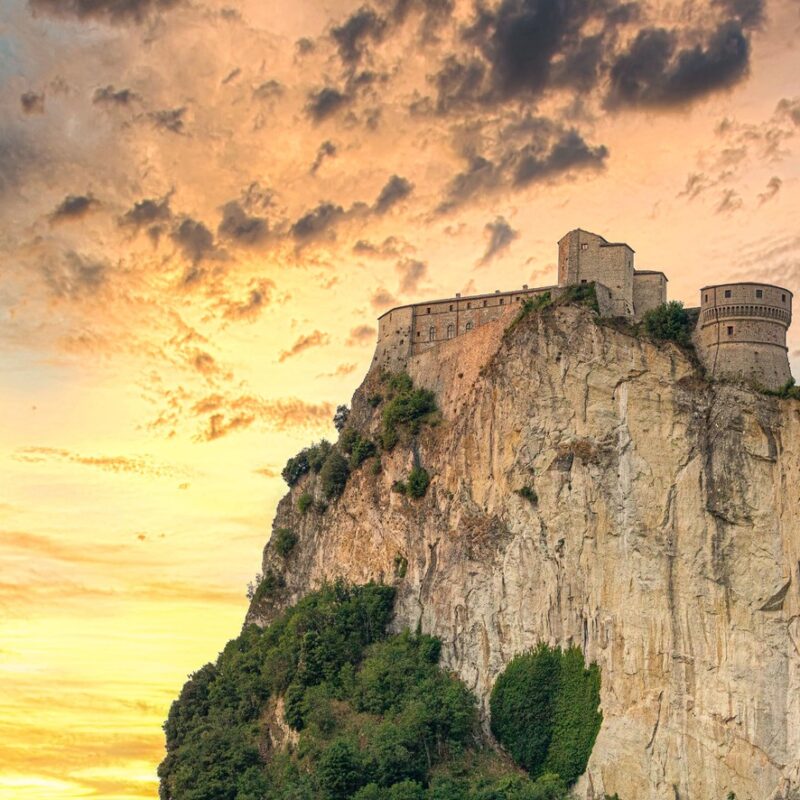
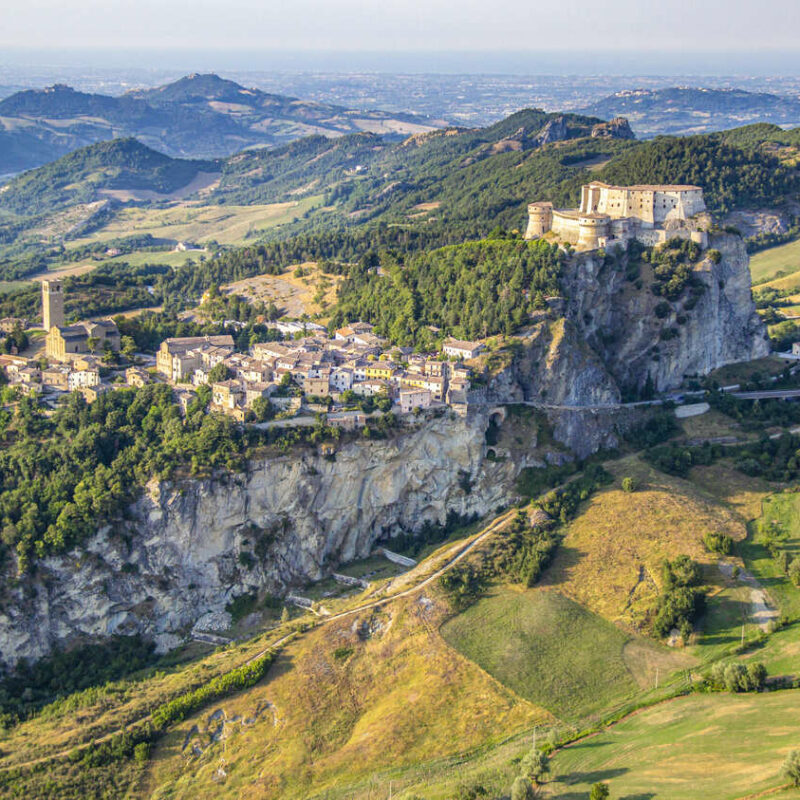
From the first time I found myself facing it with its steep beauty, lying on the rock like the back of a mythological monster, the fortress of San Leo conquered both my sight and soul. A favorite destination every year for thousands of couples from everywhere to celebrate their weddings, San Leo (RN), with its fortress perched on a cliff, overlooks a landscape of woods and rocky peaks, dominating the entire Val Marecchia, all the way down to the sea.
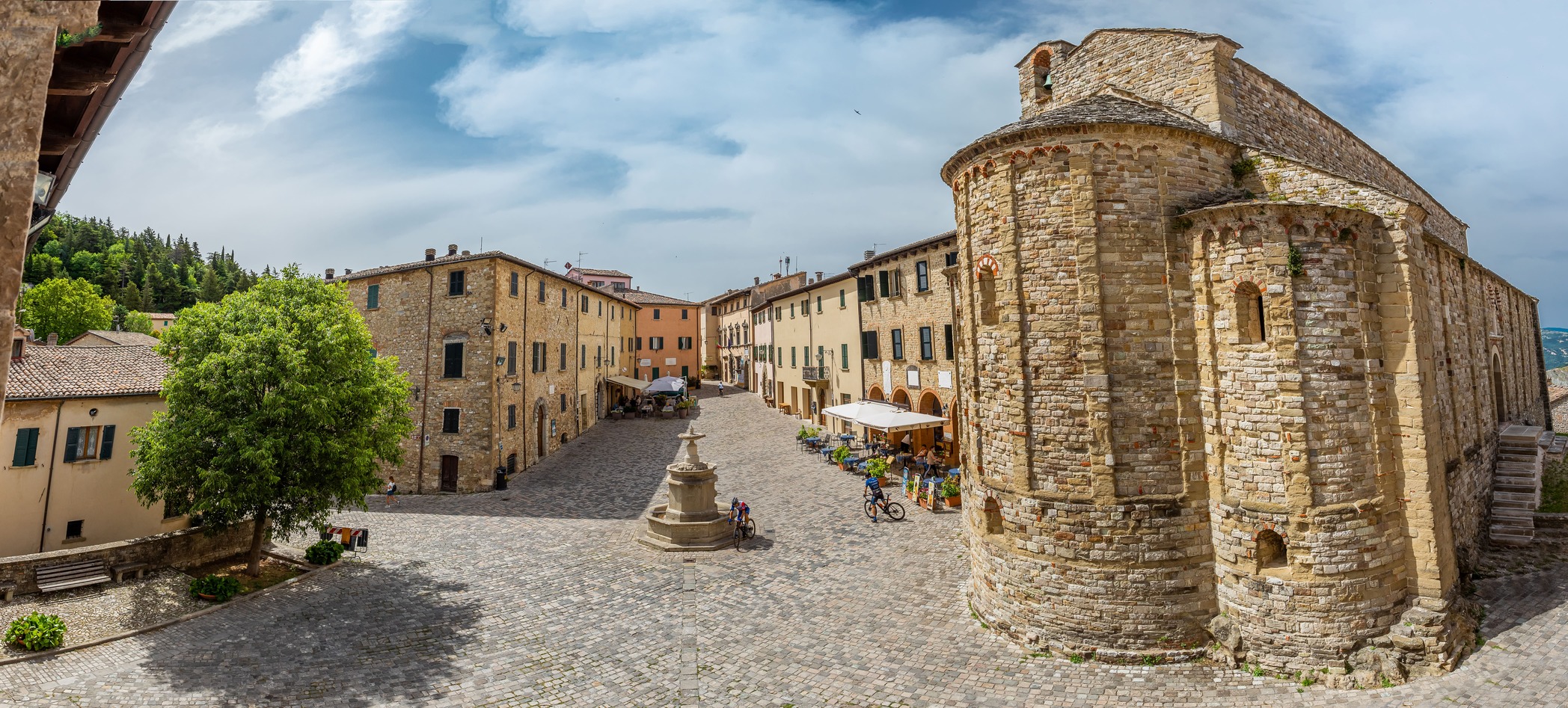
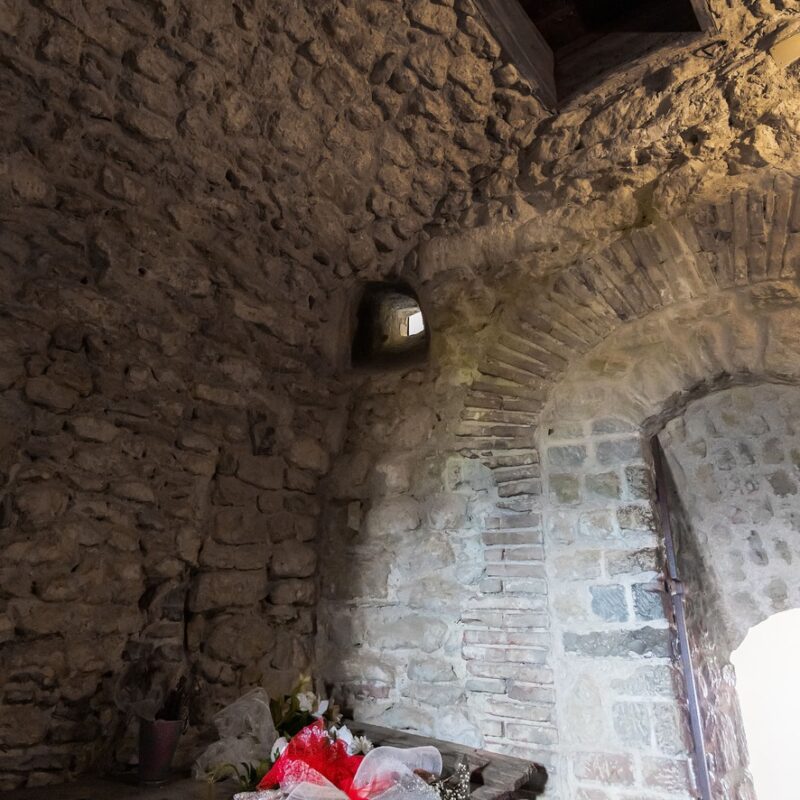
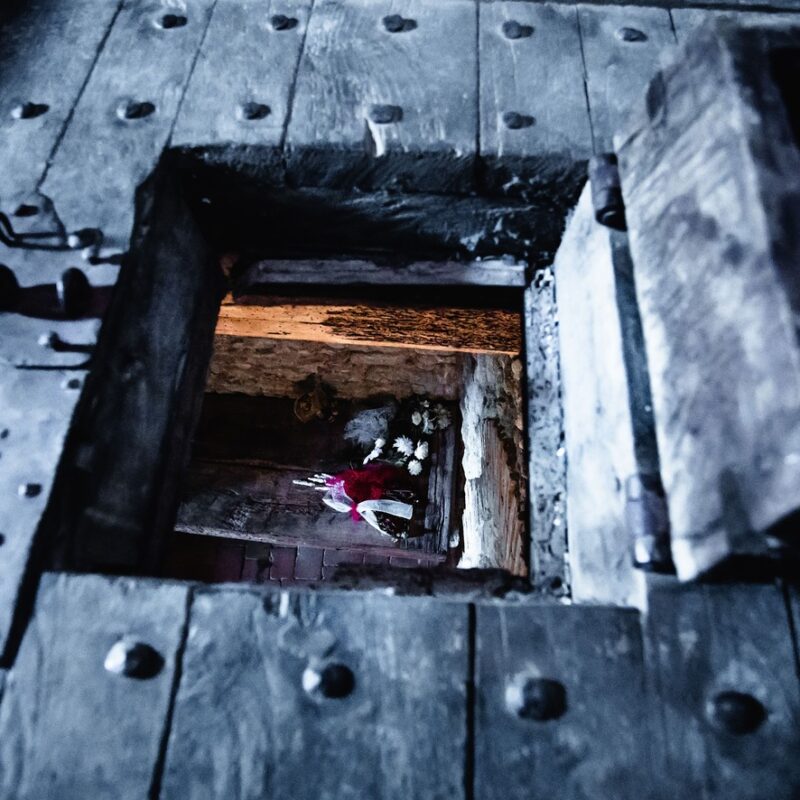
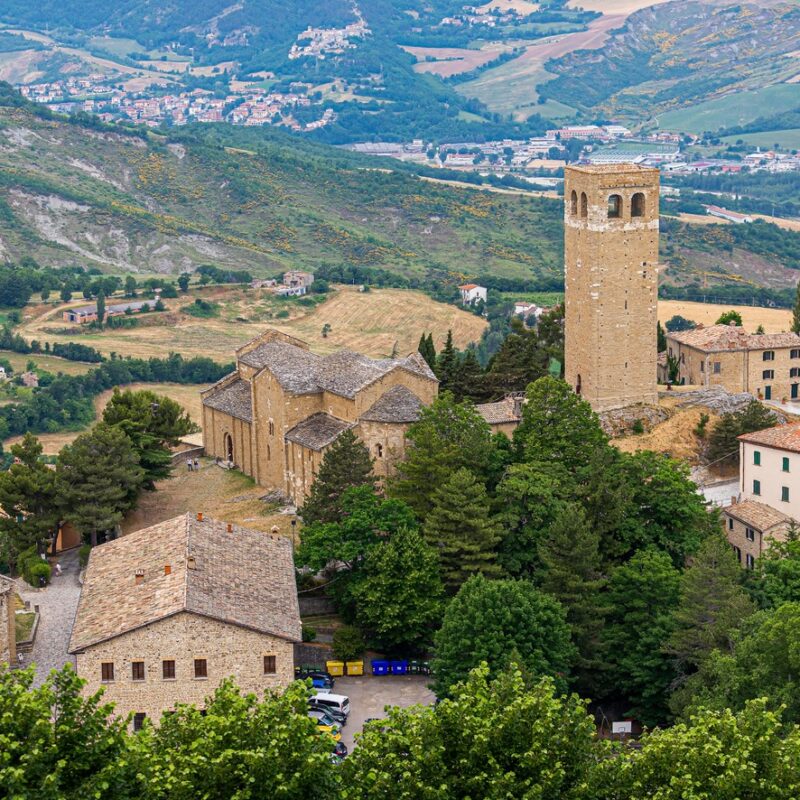
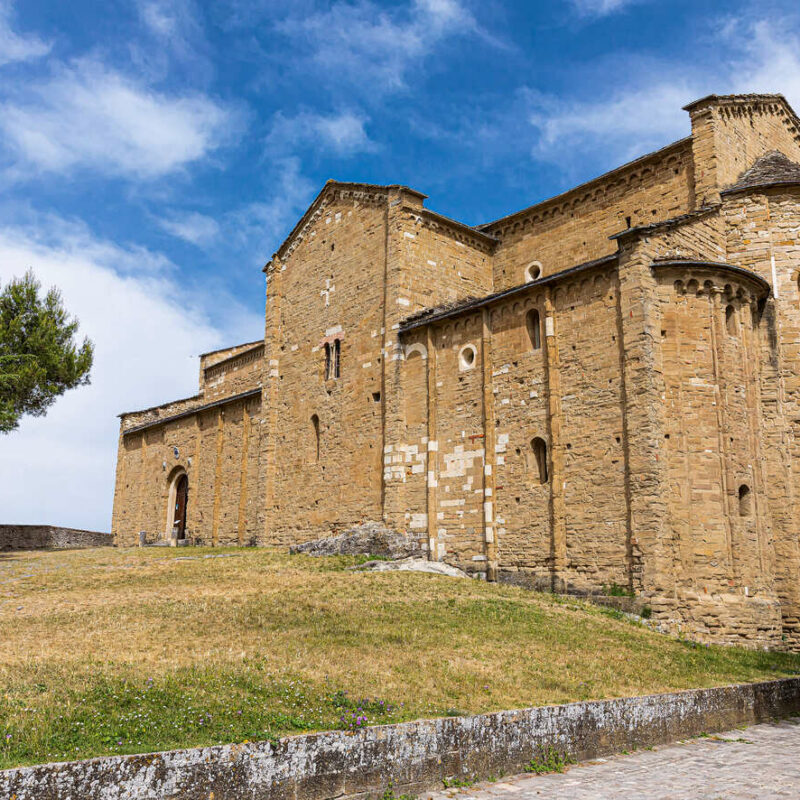
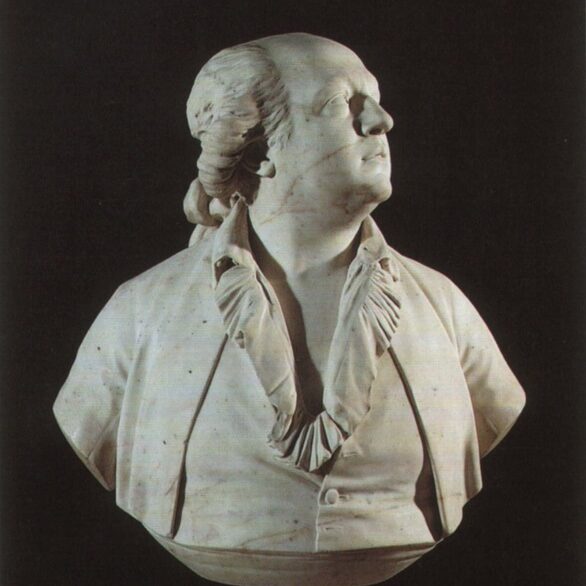
Since ancient times, a place of worship, Monte Feretrio, on which the town is situated, would have been occupied by a temple dedicated to Jupiter Feretrio, and contested over the centuries for its enviable strategic position (Goths and Byzantines, Berengar II and Otto I, Malatesta and Montefeltro). San Leo still encloses its jewels among the unmistakable walls, a remarkable example of fifteenth-century military architecture, on which the genius of Giuseppe Valadier worked in the eighteenth century, commissioned by Pope Pius VII to make the necessary improvements to a fortress transformed after the devolution to the Papal State (1631), into a feared prison. The Fortress, impregnable, is linked to the human story of an enigmatic character, received in the most important Courts of Europe where judgments intertwine: a healer, a magician, an extraordinary alchemist for some, for others a trickster, a cunning rogue, an adventurer: Giuseppe Balsamo, Count of Cagliostro, is all this… and more. On the decision of the Holy Office, he was imprisoned in Rome, at Castel Sant’Angelo, with a death sentence for heresy, but Pope Pius VI granted him clemency, commuting the sentence to life imprisonment to be served in the gloomy dungeons of the inaccessible Fortress of San Leo where he remained for more than four years, in a cell without a door where food was lowered by the guards through a trapdoor, (for fear that his gaze could hypnotize the guards), forced to look out, from the window protected by three orders of grilles, he, the unbeliever, at two extraordinary religious buildings: the spectacular Pieve of Santa Maria Assunta and the splendid Romanesque-Lombard Cathedral. Here he died on August 26, 1795, from a sudden apoplectic stroke at the age of fifty-two. Someone wrote: “Born unhappy, he lived more unhappy, and died most unhappy,” almost a warning for someone who in life had mocked men and saints.
August 26, the anniversary of his death, has always been one of the most anticipated events of the summer in San Leo, with the AlchimiAlchimie Festival offering shows, concerts, and exhibitions.
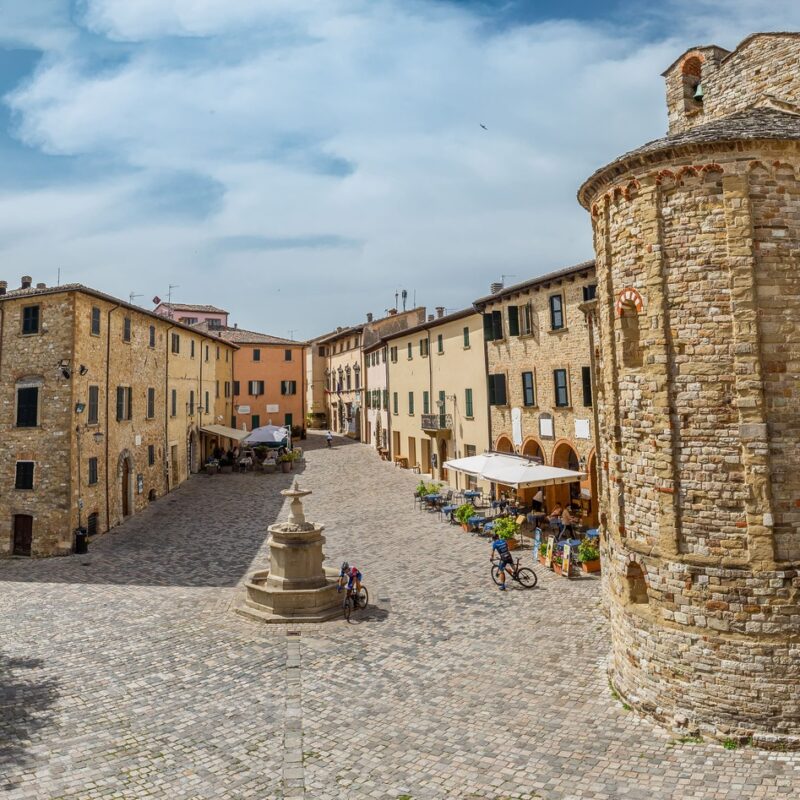
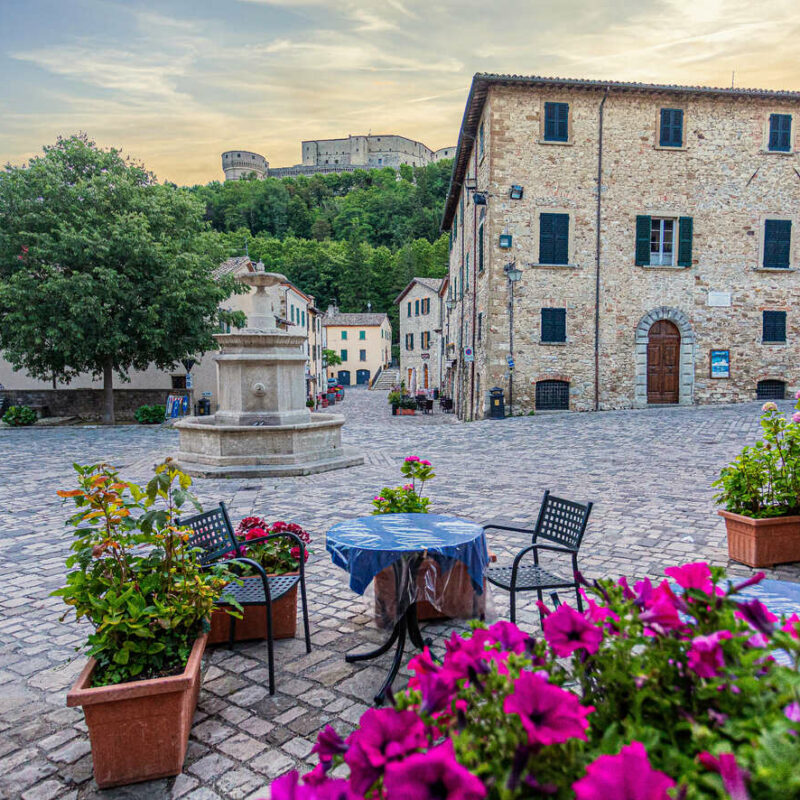
Yesterday as today, the steep ascent to the village keeps the promise of a well-spent effort: the ancient Monte Feltro that hosted not only Dante but also the poor man of Assisi, and that made artists and literati from every nation fall in love over time (Umberto Eco defined it as the most beautiful city in Italy) presents to the visitor a historical center of absolute value, preserving intact the austere beauty of Romanesque buildings (Pieve, Cathedral, and Bell Tower) and at the same time showing the magnificence of residential palaces resurrected during the Renaissance.
Gallery

CREDITS FOTO:
Andrea Bonavita